
How to Pass a Hair Follicle Drug Test: The Definitive Guide
Hair follicle drug testing has rapidly become the preferred screening method for corporate employment, legal proceedings, probation monitoring, and child custody disputes. Unlike standard urine or saliva tests—which only detect substance exposure over a short window of a few days—a hair follicle test provides a comprehensive historical timeline of drug consumption spanning up to three months (90 days).
Because drug metabolites become chemically integrated into the inner structure of the hair shaft, passing a hair screening requires an understanding of how laboratories test your hair and how to safely extract embedded metabolites.
-
Hair Test Products
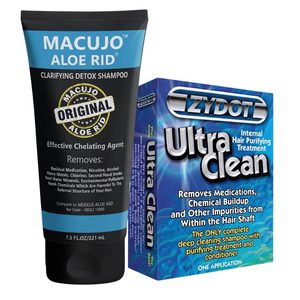
Macujo Aloe Rid (7.5oz) & Zydot Ultra Clean Shampoo Detox Bundle
$165.00 Add to cart
How Hair Follicle Drug Tests Work: Biological Mechanics
When any substance is consumed, smoked, or ingested, it enters the bloodstream. As blood circulates throughout the body, it nourishes the dermal papilla—the biological base of every hair follicle:
- Circulation & Deposition: Capillaries deliver active drug compounds and liver-processed metabolites directly to the active hair root.
- Keratinization: As new hair cells multiply, harden, and keratinize, these chemical metabolites become permanently locked inside the hair cortex (the thick middle layer beneath the outer cuticle).
- Outward Growth: Once incorporated into the cortex, the metabolites move upward as the hair grows outward from the scalp, establishing a permanent chronological record of past chemical exposure.
Because scalp hair grows at a steady, predictable rate, laboratories can analyze specific segments of the strand to reconstruct an individual’s historical usage pattern.
Why Testing Entities Prefer Hair Over Urine or Saliva
Organizations increasingly favor hair follicle screenings over traditional fluid tests for several key operational reasons:
- Long-Term Look-Back Window: Urinalysis and oral fluid screenings are limited to immediate, recent use (typically 24 to 72 hours). Hair testing provides an expansive 90-day window, making it ideal for detecting chronic, long-term substance habits.
- Directly Observed Collections: Hair sample harvesting takes place directly in front of the testing technician, eliminating the risk of synthetic urine substitutions, dilution kits, or adulterants common in unmonitored restroom collections.
- Comprehensive Multi-Panel Testing: Modern testing frequently employs expanded 12-panel screenings that evaluate a broad spectrum of illicit narcotics, prescription medications, and alcohol markers simultaneously.
Types of Drugs Detected in Hair Follicle Tests
Modern hair follicle analysis screens for a diverse range of chemical substances and their corresponding metabolic byproducts:
- Cannabinoids: Marijuana (THC), Delta-9 THC, and Carboxy-THC (THCA)
- Cocaine Class: Cocaine, Benzoylecgonine, Cocaethylene, and Norcocaine
- Amphetamines & Stimulants: Amphetamine, Methamphetamine, and Adderall
- MDMA Group: Ecstasy (MDMA), MDA, and MDEA
- Opiates & Semi-Synthetic Opioids: Codeine, Morphine, and Heroin (6-MAM)
- Prescription Painkillers: Oxycodone, Hydrocodone, Hydromorphone, and Oxymorphone
- Synthetic Opioids & Maintenance Drugs: Methadone and Buprenorphine
- Sedatives: Benzodiazepines (Xanax, Valium) and Barbiturates
- Dissociatives: Phencyclidine (PCP)
Detection Window: Scalp Hair vs. Body Hair
The standard look-back window for hair follicle drug testing is 90 days. Testing facilities harvest a sample of hair cut directly at the scalp line and measure 1.5 inches from the root end. Because human scalp hair grows at an average rate of 0.5 inches per month, this 1.5-inch segment represents the preceding three months of biological growth. Any portion of the hair strand beyond 1.5 inches is discarded.
The Reality of Body Hair Testing
If an individual does not have sufficient head hair, the collector will take a sample from the arms, legs, chest, or underarms. Body hair grows significantly slower than scalp hair and spends an extended period in a dormant (telogen) phase. Consequently, a body hair specimen can reveal substance exposure over a significantly longer historical window—sometimes extending from 6 months up to a full year.
Hair Follicle Testing Cutoff Levels
Laboratories utilize strict numerical cutoff levels measured in picograms per milligram (pg/mg) to distinguish between positive and negative results. If metabolite concentrations register below the established cutoff threshold, the result is reported as negative.
| Drug / Metabolite Class | Initial Screening Cutoff (ELISA) | Confirmatory Cutoff (GC-MS / LC-MS/MS) |
|---|---|---|
| Marijuana (THC) | 1.0 pg/mg | 0.1 pg/mg (THCA metabolite) |
| Cocaine / Metabolites | 500 pg/mg | 500 pg/mg |
| Opiates (Codeine/Morphine) | 200 pg/mg | 200 pg/mg |
| Heroin Marker (6-MAM) | 200 pg/mg | 200 pg/mg |
| Methamphetamine / Amphetamine | 500 pg/mg | 250 pg/mg |
| MDMA (Ecstasy) | 500 pg/mg | 250 pg/mg |
| Phencyclidine (PCP) | 300 pg/mg | 300 pg/mg |
The Laboratory Testing Process: Step-by-Step
Understanding what occurs from sample harvesting through final reporting ensures you can plan your timeline effectively:
- Sample Harvesting: The collector clips approximately 100 to 120 strands of hair (roughly the thickness of a pencil) as close to the scalp as possible, typically from the crown. If scalp hair is insufficient, body hair is harvested.
- Initial ELISA Screening: In the laboratory, the hair undergoes decontamination washes to strip external surface debris and environmental smoke. The hair is pulverized and screened using an Enzyme-Linked Immunosorbent Assay (ELISA).
- Confirmatory Mass Spectrometry: Samples that screen presumptive positive on the ELISA panel are forwarded for advanced confirmation using Gas Chromatography-Mass Spectrometry (GC-MS) or Liquid Chromatography-Tandem Mass Spectrometry (LC-MS/MS). This pinpoints the exact molecular structure and concentration of the drug metabolites.
- Result Reporting: Negative results are typically finalized and reported within 3 to 5 business days. Presumptive positive results require medical review officer (MRO) confirmation and additional extraction rounds, often taking up to 2 weeks.
-
Hair Test Products
Macujo Aloe Rid (7.5oz) & Zydot Ultra Clean Shampoo Detox Bundle
$165.00 Add to cart
Biological Factors Influencing Drug Retention in Hair
Every individual processes and stores drug metabolites differently based on several physical variables:
- Melanin Content (Hair Color): Research indicates that basic drugs (including cocaine, amphetamines, and nicotine) exhibit a high chemical affinity for melanin, the pigment responsible for dark hair color. Darker hair contains higher concentrations of eumelanin, meaning individuals with black or dark brown hair may retain higher metabolite concentrations than those with blond or red hair under identical exposure levels.
- Hair Growth Rate: Genetic variations, age, diet, and physical health influence individual growth velocity. Hair that grows rapidly moves recent drug use away from the scalp faster than slow-growing hair.
- Frequency & Potency of Exposure: Chronic, heavy consumption floods hair follicles continuously, saturating the cortex with dense metabolite deposits. Conversely, infrequent or low-potency use yields lower concentrations that may register below the lab’s cutoff limits.
- Individual Metabolism: Individuals with higher metabolic rates eliminate chemical compounds from the bloodstream faster, reducing the window during which active metabolites are available to bind to growing hair follicles.
Top 4 Hair Drug Testing Myths Debunked
Relying on internet misconceptions can result in failed tests or immediate disqualification:
- Myth 1: Shaving Your Head Avoids the Test. Shaving your head does not allow you to bypass the screening. Technicians will immediately harvest body hair from your chest, arms, legs, or underarms. If an individual arrives with a fully shaved body, the collector can report it as a refusal to test, which carries the exact same disciplinary or legal penalty as a confirmed positive.
- Myth 2: Bleaching Your Hair Eliminates All Metabolites. Bleaching hair with hydrogen peroxide damages the outer cuticle and destroys a portion of melanin-bound metabolites (reducing levels by approximately 30% to 60%). However, bleach alone cannot penetrate deeply enough into all cortex layers to fully eradicate residues. Without subsequent chemical extraction, bleached hair consistently fails mass spectrometry confirmation.
- Myth 3: Kitchen Remedies (Vinegar or Baking Soda Alone) Are Effective. Applying standalone household items like apple cider vinegar, baking soda, or lemon juice only strips external surface oils and styling buildup. These simple washes cannot open the protective cuticle sufficiently or break the internal chemical bonds of the metabolites trapped within the cortex.
- Myth 4: Consuming Detox Drinks Cleanses Your Hair. Detox drinks and flush kits are designed exclusively to dilute urinary metabolites for a temporary 4-hour window. They filter through the digestive system and kidneys, having zero biological effect on hair fibers that keratinized months earlier.
Proven Detoxification Methods
To successfully remove metabolites from hair fibers, you must utilize a structured protocol that physically opens the outer cuticle scales, penetrates deep into the inner cortex, breaks the chemical bonds of the metabolites, and purifies the strands.
1. The Macujo Method (Primary Protocol)
The Macujo Method is the most widely recognized, effective protocol for hair detoxification. It utilizes a chemical progression to penetrate the hair cuticle and systematically flush out cortex residues.
Foundational Routine:
- Cease All Substance Use: Stop all chemical exposure immediately to prevent new metabolites from entering the roots.
- Warm Water Rinse: Rinse the hair thoroughly with warm water to begin softening the cuticle.
- Vinegar Application: Apply standard white distilled vinegar across the scalp and hair, massaging it down to the roots to dissolve surface barriers and lower pH.
- Salicylic Acid Astringent: Without rinsing out the vinegar, apply a 2% salicylic acid astringent (such as Clean & Clear Deep Cleaning Astringent) to penetrate deep into the hair shaft.
- Dwell Time: Place a shower cap over the hair and allow the vinegar and astringent mixture to sit undisturbed for 30 minutes.
- Rinse & Clarify: Rinse the mixture clean with warm water.
- Detox Shampoo Wash: Thoroughly wash the hair with an authentic clarifying detox shampoo rich in propylene glycol, lathering for 10 to 15 minutes before rinsing clean.
- Repeat: Repeat this cycle across the days leading up to your screening based on your calculated exposure profile.
(Note: For modern high-potency exposures, this routine has evolved into the comprehensive 9-step Mike’s Macujo Method, which incorporates Arm & Hammer baking soda and Liquid Tide scrubs for deeper extraction).
2. The Jerry G Method
The Jerry G Method is an alternative chemical protocol developed for individuals facing imminent testing deadlines:
- The Process: Hair is bleached using a 40-volume developer to break open the cuticle, followed by applying a permanent ammonia-based hair dye matching your natural color. The hair is subsequently washed with a specialized detox shampoo. This cycle is repeated 10 days later, concluding with a test-day purifying wash.
- Considerations: While effective at degrading certain metabolites, this method causes severe structural hair damage, dryness, and potential scalp irritation.
Essential Products for Passing a Hair Follicle Test
Executing an effective hair detoxification protocol requires specialized formulas engineered to target the inner cortex:
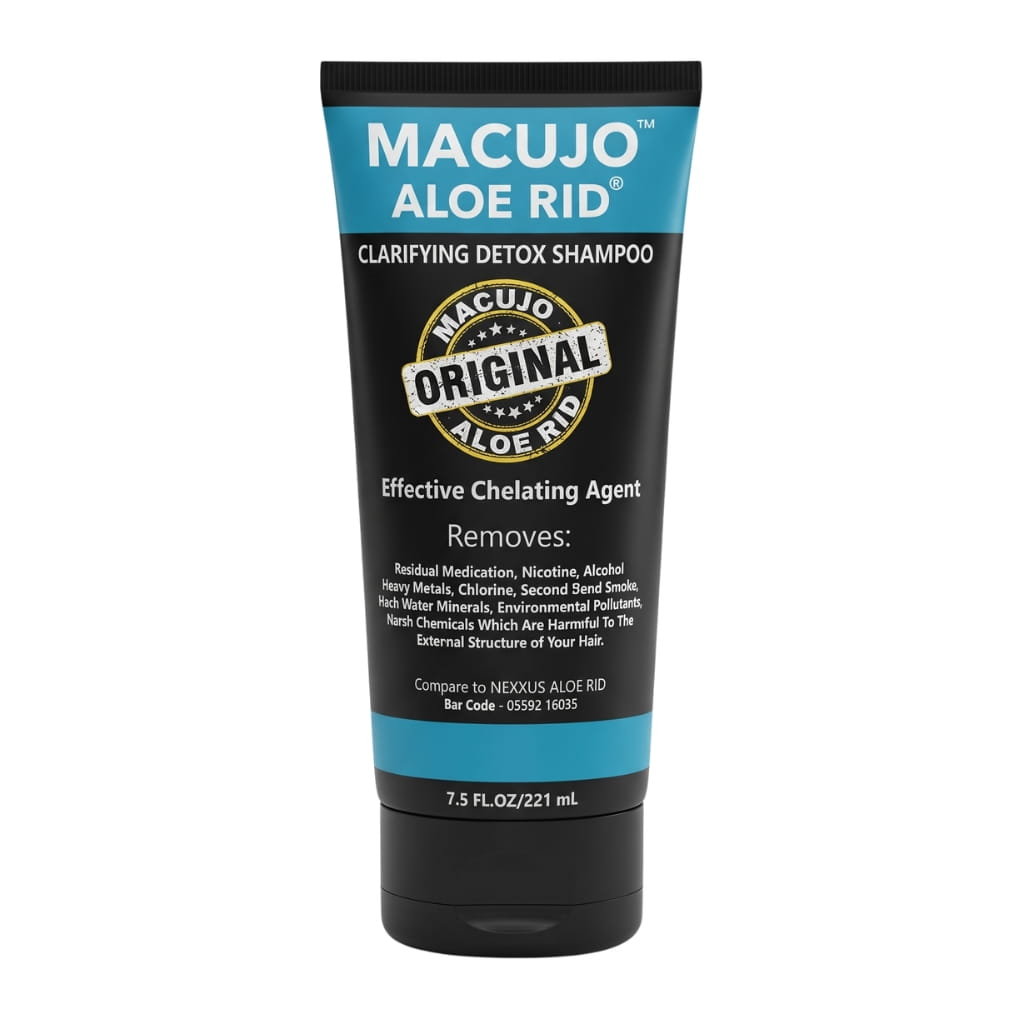
Macujo Aloe Rid® Shampoo
The cornerstone of any successful hair cleansing regimen. Unlike common over-the-counter clarifying cleansers, Macujo Aloe Rid Shampoo features an elevated concentration of active propylene glycol. This pharmaceutical-grade solvent penetrates the opened cuticle scales to bind with, dissolve, and extract stubborn drug metabolites embedded deep within the cortex.
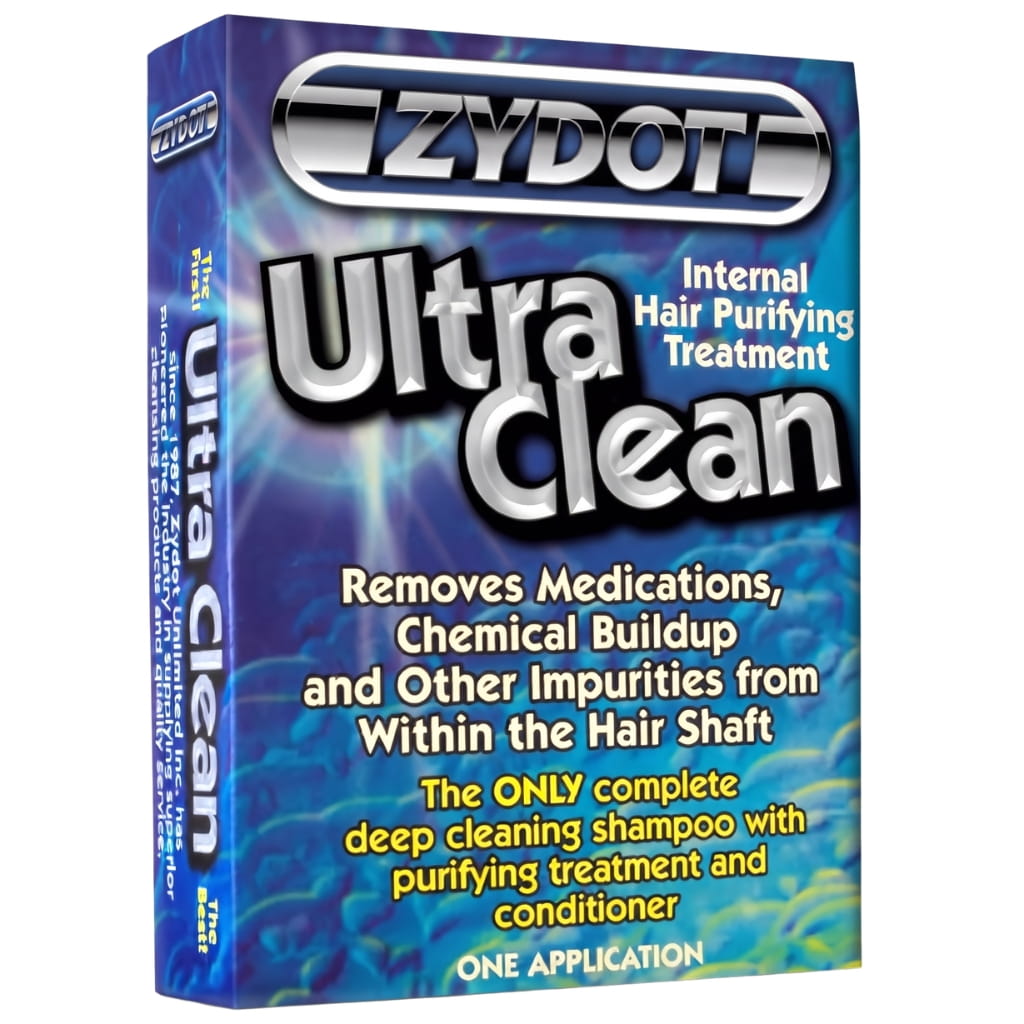
Zydot Ultra Clean Shampoo
Formulated specifically as a test-day purifying treatment, Zydot Ultra Clean Shampoo acts as your final line of defense. Applied within 2 to 4 hours of your appointment, its 3-in-1 formula strips away lingering surface residues, purifies the cuticle, and conditions the hair strands without leaving detectable chemical residues.
Macujo Aloe Rid & Zydot Shampoo Bundle
For maximum clearance and convenience, pairing deep cortex extraction with test-day surface purification is essential. The Macujo Aloe Rid & Zydot Shampoo Bundle provides the complete dual-action package needed to carry out your multi-wash protocol and complete your final pre-test wash.
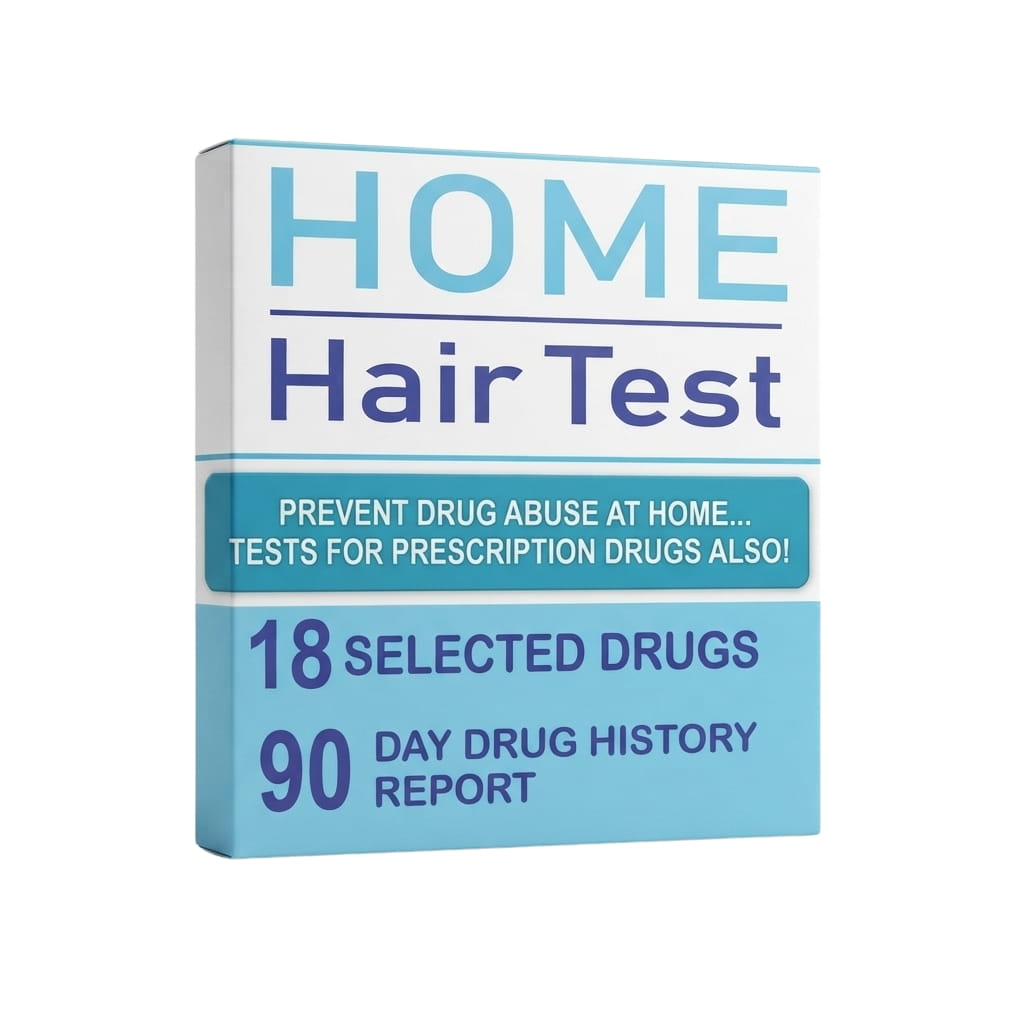
At-Home Hair Follicle Drug Test Kit
Never walk into an official laboratory screening without verifying your status beforehand. Using a private At-Home Hair Follicle Drug Test Kit allows you to harvest a confidential sample and receive accredited laboratory mass spectrometry analysis within 3 to 7 business days, confirming that your metabolite levels are safely below detection cutoffs.
Action Plan: Pre-Test Preparation Checklist
Follow these key steps to maximize your chances of testing negative:
- Stop Substance Use Immediately: Cease all exposure the moment you learn of your test date.
- Start Your Regimen Early: Multiple wash sessions are required to progressively lower metabolite concentrations. Begin your cleansing routine as far in advance as possible.
- Prevent Cross-Contamination: Drug residues linger on everyday accessories. Discard old combs, brushes, and hair ties. Wash pillowcases, hats, headbands, and towels in hot water and detergent before beginning your wash cycles.
- Follow Application Instructions Diligently: Adhere strictly to product dwell times and steps. Taking shortcuts compromises the chemical process required to reach the cortex.
- Avoid Styling Products on Test Day: On the day of collection, do not apply hair gels, sprays, oils, pomades, or leave-in conditioners. Heavy cosmetic coatings can interfere with sample preparation and may prompt the technician to request an immediate, supervised body hair harvest.
Frequently Asked Questions
Can secondhand smoke cause you to fail a hair drug test?
No. Testing laboratories subject all harvested hair samples to rigorous chemical pre-washes designed specifically to remove external contaminants and environmental smoke. Furthermore, confirmatory testing targets internal liver metabolites (such as THCA for cannabis), which are only produced when a substance is processed inside the body.
How much hair is collected during a test?
The collector harvests approximately 100 to 120 strands of hair cut flush with the scalp. This creates a specimen roughly the thickness of a standard pencil, taken discreetly from the crown to avoid leaving a visible bald spot.
What happens if I have short hair or no head hair?
If your head hair is shorter than 1.5 inches, the collector will collect body hair from your arms, legs, underarms, or chest. Because body hair has a slower growth rate, it can reflect drug use over an extended window of 6 to 12 months.
Can regular salon clarifying shampoos replace Macujo Aloe Rid?
No. Standard salon shampoos are designed only to remove external surface impurities like excess sebum, mineral deposits, and styling buildup. They lack the high concentration of propylene glycol required to penetrate the cuticle and dissolve bonded metabolites within the cortex.
How long before my test should I stop using products?
Complete your primary multi-wash series in the days leading up to your screening, and use Zydot Ultra Clean Shampoo on the morning of your test (approximately 2 to 4 hours before your collection appointment). Do not apply any other cosmetic styling products afterward.
-
Hair Test Products
Macujo Aloe Rid (7.5oz) & Zydot Ultra Clean Shampoo Detox Bundle
$165.00 Add to cart